LLM Capabilities and Limitations
In this section, you’ll learn about the capabilities and limitations of Large Language Models (LLMs) such as ChatGPT, Claude, and Gemini, specifically from a data analyst’s perspective.
Understanding how these tools work, and where they go wrong, will help you use them confidently, responsibly, and effectively in your data analysis practice.
🤖 What is a Large Language Model?
A Large Language Model (LLM) is an advanced AI system trained on vast amounts of text data. These models use statistical and mathematical techniques to generate text, answer questions, write code, and even assist with data analysis.
Some well-known LLMs include:
These AI systems can chat with you, generate documents, write code, summarize information, and assist with problem-solving—making them powerful tools for data analysis.
🎯 Why Understanding Capabilities and Limitations Matters
Understanding both the capabilities and limitations of LLMs is crucial when using them for data science tasks:
- ✅ You can leverage their strengths for coding, debugging, and summarizing insights
- ⚠️ You must also validate their outputs to ensure accurate, high-quality analysis
By recognizing when and how to use LLMs effectively, you’ll be able to work around their weaknesses and take advantage of their capabilities.
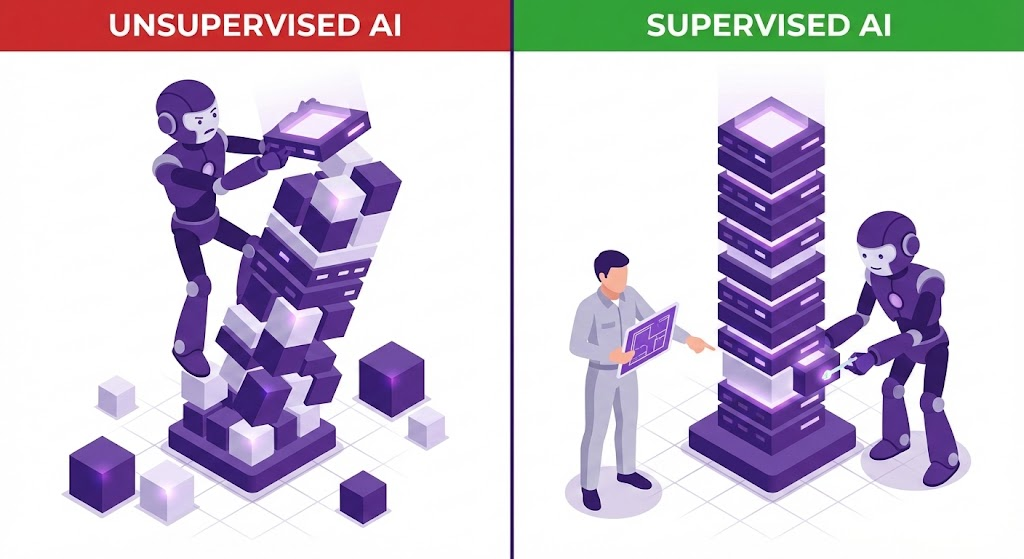
LLMs work best when you use them to enhance your learning, not replace it. See Principle 3: Use AI as a Learning Tool for more on this mindset.